
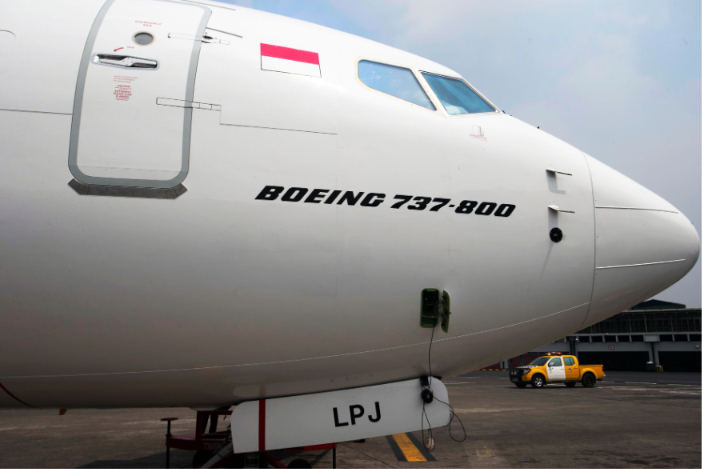
Following widely reported safety, quality, and regulatory scrutiny involving Boeing, the conversation is often reduced to isolated incidents. That is the wrong lens.
Major operational failures are rarely events. They are outcomes of systems that degraded gradually while still appearing functional.
Failure Is Usually Operational Drift, Not Collapse
Organizations do not suddenly break.
They drift.
Small deviations accumulate:
- informal workarounds replace defined processes
- exceptions become standard practice
- ownership becomes ambiguous
- pressure normalizes shortcuts that are never corrected
Nothing looks urgent in isolation. But the system quietly changes shape.
Growth Exposes What the System Cannot Absorb
Growth is not a solution to operational weakness. It is a stress test.
As complexity increases:
- coordination costs rise non-linearly
- execution becomes harder to standardize
- variability increases across teams
- decision pathways multiply and slow down
At this stage, many organizations respond by adding capacity instead of correcting structure. That often compounds the original problem.
The Real Risk: Loss of Operational Visibility
Workarounds are not just inefficiencies. They are visibility loss.
Over time:
- actual execution diverges from documented process
- exceptions become indistinguishable from normal flow
- leadership observes outcomes, not operating reality
At that point, the organization is no longer fully legible to itself.
Conclusion
The lesson from the publicly discussed challenges at Boeing is not about aviation. It is about leadership and management system.
Operational failure is rarely sudden. It is the endpoint of accumulated compromises that gradually weaken system integrity until performance and process are no longer aligned.
Sustainable organizations do not avoid complexity. They maintain discipline as complexity increases.
